Before You Book: How to Decode Resort Fees at 12 Major US Hotel Chains in 2026
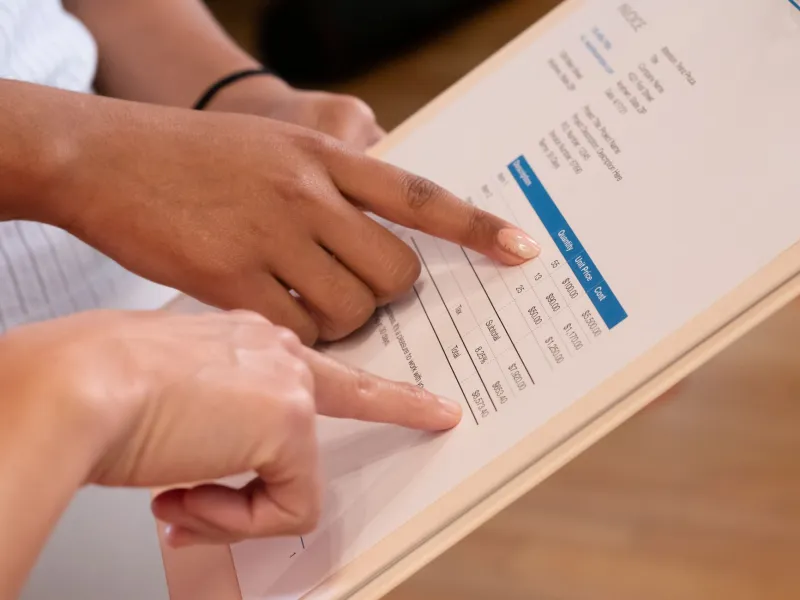
Resort fees are the hotel industry's favorite magic trick. You see $129 on the search results page. You click through, pick a room, and by checkout the number has grown a beard. In 2026, the gap between the advertised rate and the real nightly cost is still wide at many US properties, especially resorts, casino hotels, and anything with palm trees near the pool.
This is not a moral panic. Some fees pay for real things: shuttle service, beach chairs, fitness classes, bottled water, Wi-Fi you might actually use. The problem is that mandatory fees are often buried, taxed, and hard to compare. If you are traveling on a budget, the only rate that matters is the all-in number. Here is how to find it, plus a chain-by-chain look at where you are most likely to see these charges in 2026.
The only math you need
Start with the room rate. Add every mandatory nightly fee, including resort, destination, amenity, urban, and facility fees. Then apply the local hotel tax to the combined amount, because many destinations tax the fee too. Finally, add parking, mandatory gratuities, and any other charge you cannot avoid. That is your true nightly cost.
Example: Hotel A advertises $149 plus a $35 resort fee. Hotel B advertises $179 with no resort fee. At 12% tax, Hotel A comes to about $206.08. Hotel B comes to about $200.48. The fee-heavy deal is $5.60 more per night before you even park the car. If Hotel A charges $25 for parking and Hotel B includes it, the gap becomes $30.60. That is not a deal. That is a magic trick.
12 US chains where the fees still show up
Fees are property-specific, not brand-wide. A Courtyard in Ohio may have none. A Marriott resort in Florida may have several. Still, budget travelers are most likely to run into mandatory fees at these chains in 2026.
- MGM Resorts: Las Vegas, Biloxi, and other casino-resort markets. Expect resort fees roughly $25 to $55 per night, sometimes more at top properties.
- Caesars Entertainment: Las Vegas, Atlantic City, and regional casino resorts. Typical resort fees run $30 to $50, and parking can be extra.
- Marriott International: Resort and convention properties under brands like Westin, Sheraton, Autograph Collection, and Renaissance. Fees often land in the $20 to $50 range.
- Hilton: Hawaiian Village, Waldorf Astoria resorts, Curio Collection, and some Hilton resorts. Expect $25 to $45 at many resort locations.
- Hyatt: Hyatt Regency resorts, Alila, Miraval, and destination properties. Fees commonly run $20 to $50.
- IHG Hotels & Resorts: InterContinental, Kimpton, and Holiday Inn Resort properties in tourist areas. Fees vary widely, often $15 to $40.
- Wyndham Hotels & Resorts: Wyndham Grand, Margaritaville resorts, and some beach properties. Typical fees are $15 to $35.
- Omni Hotels & Resorts: Omni resorts in Texas, Florida, and other leisure markets. Fees often run $20 to $40.
- Loews Hotels: Beach and city resort properties. Expect $25 to $45 at many locations.
- Sonesta International Hotels: Sonesta resorts and some upgraded properties. Fees commonly fall between $15 and $35.
- Best Western Hotels & Resorts: Resort locations and some independent-affiliated properties. Fees are usually lower, around $10 to $25.
- Choice Hotels International: Some resort and destination properties under Radisson, Ascend, and Cambria. Fees vary, often $10 to $30.
Again, these are ranges, not guarantees. The front desk can tell you the exact fee for your dates. The website should tell you too, but it does not always make it obvious.
Questions to ask before you book
Call the hotel directly or use the chat feature. Ask these questions and save the answers: Is there a mandatory resort, destination, or amenity fee? How much is it per night? Is it taxed? What exactly does it include? Is parking included, and if not, how much is it per night? Is breakfast included, or is that extra? Are there any mandatory gratuities or service charges? Can the fee be waived for loyalty members, AAA, or a specific rate plan?
If the answer is vague, assume the worst. A hotel that cannot explain its own fee is not giving you a deal. It is giving you a surprise.
When the fee-heavy deal is actually more expensive
A resort fee is only worth paying if you would otherwise buy what it covers. If you land at 11 p.m., leave at 7 a.m., and never touch the pool, the shuttle, or the fitness center, you are paying for amenities you will not use. That is not value. That is a donation.
The fee-heavy rate is especially likely to lose when parking is extra, breakfast is not included, and the hotel charges a daily amenity fee on top of the resort fee. It also loses when you are booking through a third-party site that shows the room rate but not the mandatory fees until the final step. Always click through to the final price before you compare.
The bottom line
In 2026, the advertised rate is a starting point, not a promise. Budget travelers should compare the all-in nightly cost, ask direct questions, and be willing to walk away from a flashy rate that comes with a mandatory fee. A plain mid-range hotel with free parking and breakfast can beat a resort deal even when the resort looks cheaper at first glance. Do the math before you book. Your wallet will thank you.