Beds Nobody Sleeps In: How Family Hotel Rooms Quietly Cost More
A family hotel booking usually starts with the obvious questions: Where are we staying, and what does it cost? But somewhere between the map and the checkout button, a quieter decision gets made—how many beds are in the room. That choice can move the nightly rate more than parking, breakfast, or a loyalty discount. In 2026, room configuration is not just a comfort preference. It is a pricing lever.
The bed count is part of the rate
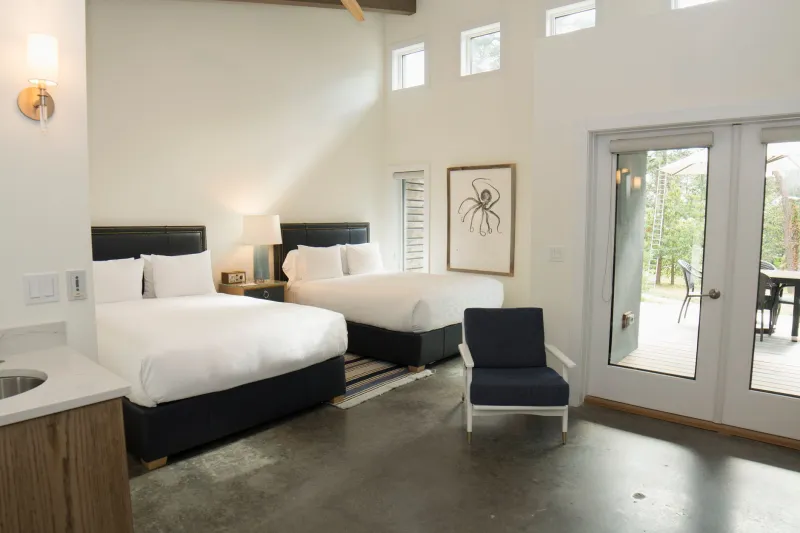
Hotels do not price rooms purely by square footage. They price by demand, and family-friendly configurations carry a premium because they are scarce. A standard king room and a standard two-queen room may occupy nearly the same footprint, but the two-queen version often sells for more on weekends, school breaks, and holiday travel. That is not a conspiracy. It is inventory math. A hotel has only so many rooms that can sleep four people, and families tend to travel in packs.
The trouble starts when travelers compare only the headline rate. A couple might book two queens “just in case” and pay $15 to $40 more per night than the king rate, then never use the second bed. A family of four might book a king with a sofa bed, assuming the sofa bed is free, only to find a linen fee or a room that technically sleeps three. The bed count looks like a detail. On the final bill, it rarely is.
Where the extra charges hide
Rollaway beds are the classic add-on. Many US hotels charge $10 to $30 per night for a rollaway, and some charge more in resort or urban markets. The fee is not always shown during online booking because the room type may not advertise rollaways at all. You often have to call, chat, or read the property’s fine print. A $25 rollaway for four nights is $100—enough to change which hotel is actually cheaper.
Sofa beds are another soft spot. A room described as “sleeps four” may count two people on a sofa bed that is really a twin. Some hotels charge for extra bedding, and some do not guarantee sofa-bed linens unless you request them. Occupancy limits are also stricter than many travelers expect. Fire codes and hotel policies cap how many people can sleep in a room, and front desks can and do enforce those limits. Booking a room for five when it officially sleeps four can lead to an awkward check-in and a second room charge.
Connecting rooms deserve a mention too. They are convenient for families, but they are usually a request, not a guarantee. Booking two rooms and assuming they will connect is a gamble. If connecting rooms matter, ask before you book and get the answer in writing if possible.
A practical checklist for bed shopping
Before you compare rates, count the people who will actually sleep in the room and how they want to sleep. Then use this checklist:
- Match occupancy first, beds second. A room that sleeps four with one king and a sofa bed may work for two adults and two small kids, but not for four adults. Check the official maximum occupancy, not just the photo.
- Compare king versus two queens at the same property. Sometimes the king is cheaper. Sometimes it is not. Do not assume the family room is the value play until you see both totals.
- Ask about rollaway cost before booking. Get the nightly fee, the tax treatment, and whether the room can physically fit one. A cheap room that cannot take a rollaway is not cheap for a family of five.
- Verify the sofa bed. Ask what size it is and whether bedding is included. “Sofa bed” can mean anything from a twin to a queen pullout.
- Do not pay for beds nobody will use. A couple does not need two queens unless they want the space. A family of three may not need a suite. A family of four with small children may be fine with two queens rather than a two-room suite.
- Price the upgrade against the add-on. If a rollaway costs $25 per night and a larger room costs $35 more, the larger room may be worth it for the space. If the rollaway is $10 and the upgrade is $50, do the math.
- Check the cancellation policy. Bed needs change. A flexible rate can be worth a few dollars if you are unsure whether grandma is joining the road trip.
- Confirm at check-in. Front desks get busy. A quick confirmation that the rollaway is booked and the bedding is in the room saves a late-night call.
When a bigger room actually pays
There are times when the larger configuration is the honest bargain. A family with two teenagers may genuinely need two queens and a bathroom that can handle four people getting ready at once. A suite with a sofa bed can beat two separate rooms when you factor in parking, resort fees, and the cost of a second bathroom—or it can lose badly if the sofa bed is uncomfortable and the suite fee is high. The point is not to avoid bigger rooms. The point is to price them against the alternative.
For road-trippers, the bed decision also affects how the trip feels. A cheap room with a cramped rollaway can make a national park morning miserable. A slightly pricier two-queen room can be the difference between a good night and a bad one. That is a real cost, even if it does not show up on the reservation screen.
The next time you book a family room, look past the photo of the neatly made beds. Check the occupancy, ask about rollaway and sofa-bed fees, and compare the total for the configuration you will actually use. The best hotel room is not the one with the most beds. It is the one that gives you the beds you need without charging you for the ones nobody sleeps in.