The $12 Motel Mirage: Why Road-Trip Lodging Is Never Just the Room Rate
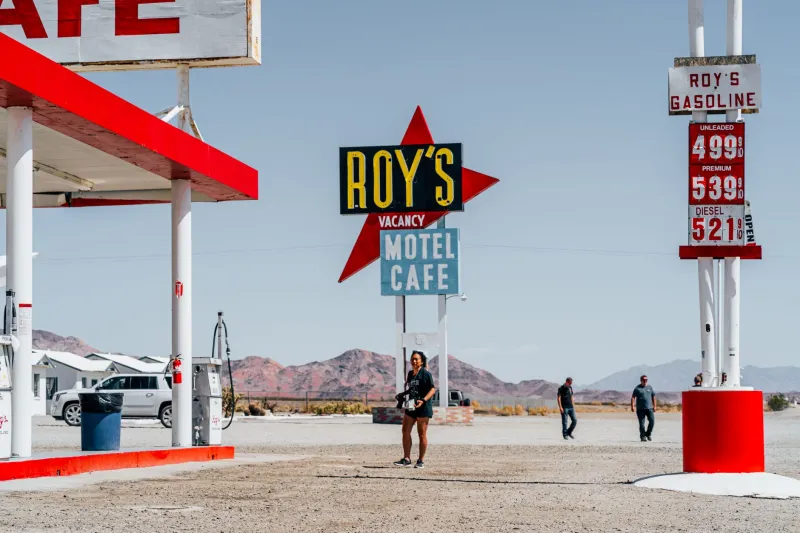
Here is a travel math trick that feels smart until you are standing in a motel parking lot at 11 p.m.: booking the cheapest room on the road. The $12 rule is simple. If a hotel is $12 a night cheaper than the next option, that savings is not real until you have priced parking, breakfast, cancellation terms, location, and fees. On a road trip, those extras have a way of eating the $12 before you have even unpacked.
This is an opinion piece, but the math is not subjective. A cheap room is a starting point, not a final price. The traveler who books the whole stay usually spends less and sleeps better. The traveler who chases the lowest nightly rate often pays for it in $15 parking, a $9 breakfast, and a 25-minute detour.
The $12 rule, explained without the spreadsheet
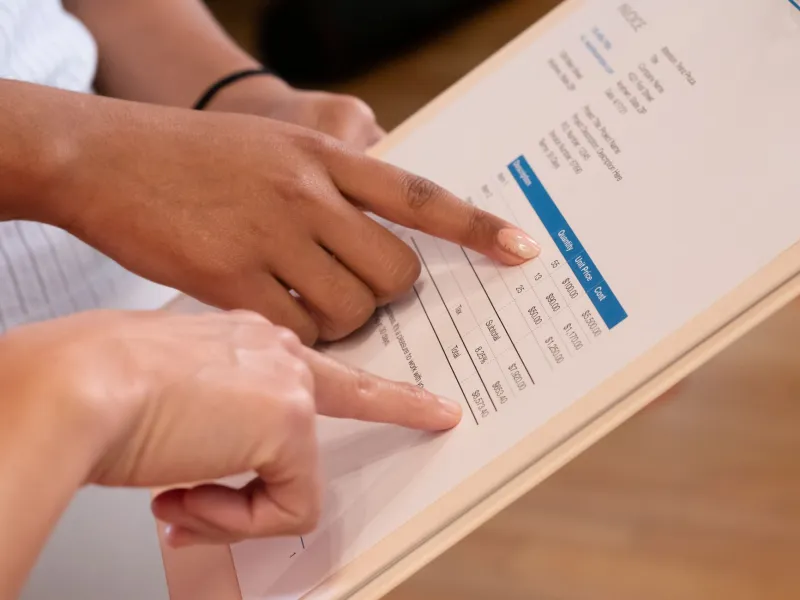
Suppose Hotel A is $89 a night and Hotel B is $101. Hotel A looks like the obvious budget pick. Now add $12 overnight parking. Add $10 for breakfast because the free option starts at 7 a.m. and you are leaving at 6. Add a $5 facility fee that appeared at checkout. Suddenly Hotel A is $116, and Hotel B is still $101. The $12 savings became a $15 loss. That is the $12 rule: a small nightly gap disappears fast when the rest of the stay is not free.
On a road trip, this happens more often than in city travel. You are usually arriving late, leaving early, and parking a car. Those three habits hit budget hotels right where they hurt.
Parking is the first thief
A motel with free parking can be worth more than a nicer hotel that charges $18 a night. In many US cities, downtown hotels charge $25 to $45 for overnight parking. A suburban hotel may charge nothing. If you are staying three nights, that difference can erase a $30 room-rate gap. Always search the hotel's parking policy before you book. Look for the words complimentary, included, and self-park. If the listing says valet only, assume a fee.
Breakfast hours matter more than the waffle iron
Free breakfast is a nice perk, but it is only valuable if you can eat it. A hotel that starts breakfast at 7 a.m. is useless to a road-tripper leaving at 6:15. A grab-and-go bag with a granola bar and a sad apple is not the same as a real meal. If breakfast is part of your budget, check the hours, not just the photos. A $101 room with a 6 a.m. breakfast can beat an $89 room with a 7:30 a.m. breakfast and a $12 diner stop.
Cancellation policies are part of the price
A nonrefundable rate can save $12 a night, but it can cost you the whole stay if your plans change. Road trips are flexible by nature. Weather, traffic, and a sudden detour can move your arrival by a day. A flexible rate is worth real money. Before you book, check the cancellation deadline. If it is 48 hours before arrival, set a reminder. If it is nonrefundable, decide whether the savings are worth the risk. A $12 discount is not a discount if you lose $100 because you had to change plans.
Location is a cost, not a vibe
A cheap hotel outside town can cost more once you add fuel, tolls, and time. If you are visiting a city, a hotel 20 minutes out may save $20 on the room but add $15 in parking and $10 in fuel. If you are on a highway stop, a hotel near the exit is worth more than a cheaper one five miles down a dark road. Read the map like a budget line. Look at the distance to your actual destination, not the distance to the city center.
Hidden fees are still fees
Resort fees, facility fees, pet fees, and early check-in charges are not surprises if you read the fine print. They are surprises if you do not. Before you book, open the fee section and add every mandatory charge to the room rate. If a hotel cannot tell you the total price before you pay, that is a red flag. A legitimate budget hotel should be able to show you the final number.
Red flags before you book
- The rate is much lower than every nearby hotel with no explanation.
- Parking is listed as available but not priced.
- Breakfast is advertised but the hours are missing.
- The cancellation policy is buried or only nonrefundable.
- The hotel charges a mandatory fee that is not in the room rate.
- The address is convenient on a map but far from the highway or your destination.
- Recent reviews mention noise, sketchy parking, or surprise charges.
How to book the whole stay
Make a simple total-cost column for each hotel: room rate, taxes, parking, breakfast, mandatory fees, and cancellation flexibility. Add the cost of getting to your destination. Then compare. The hotel with the lowest room rate will not always win, and that is the point. The $12 rule is not about spending more. It is about not losing money on a fake bargain.
The bottom line
The cheapest room on a road trip is often the most expensive mistake. A $12 nightly gap can vanish in one parking fee or one nonrefundable mistake. Price the whole stay, read the fine print, and pay for the things that actually matter: a clean bed, a safe parking lot, and a policy that lets you change course. That is not splurging. That is math.