When the Desk Goes Dark: A Late-Arrival Game Plan for US Hotels
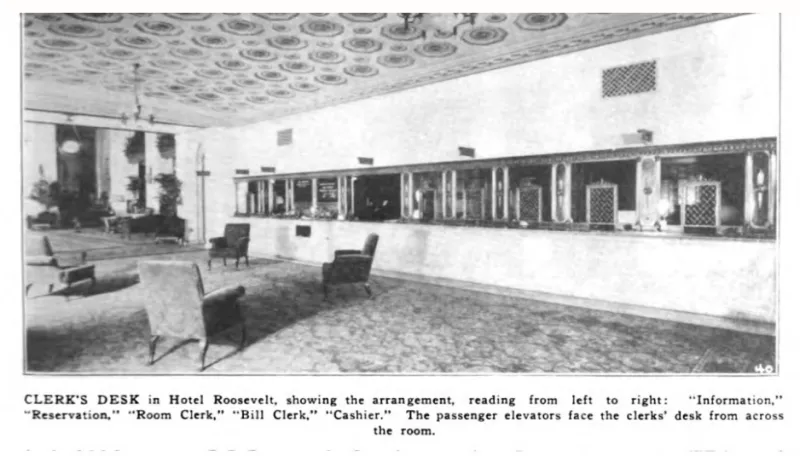
Photo: Architect: George B. Post & Son, Public domain, via Wikimedia Commons
A 10 p.m. landing sounds manageable until the baggage carousel stalls, the rental counter has one agent, and the drive to the hotel is longer than the map suggested. By the time you pull in, it is 12:40 a.m. The lights are on, but the front desk is a locked door with a phone number taped to it. That is when a late arrival stops being a scheduling detail and starts being a line item on your bill.
The reservation clock is not the front desk clock
Most US hotels run a night audit in the early hours, often between 1 a.m. and 4 a.m. During that window, the system rolls the business day forward. A reservation that was guaranteed for Tuesday can be flagged as a no-show if nobody checks in and nobody calls. At a big chain near an airport, the desk is usually staffed around the clock. At a small independent motel, a roadside property, or a boutique hotel with a single evening clerk, the door may lock at 11 p.m. and the phone may roll to voicemail.
The booking page rarely explains this. You might see a check-in time of 3 p.m. and a checkout time of 11 a.m., but no line that says the desk closes at midnight or that after-hours entry costs extra. That gap is where surprise fees live.
What after-hours check-in can actually cost
There is no single national fee, which is exactly why you have to ask. Some hotels charge nothing and leave a key in a lockbox. Others add a late-arrival fee that can run from about $20 to $75 or more, especially if someone has to come to the property after hours. A few treat anything after a stated cutoff as a no-show, which means you lose the room and possibly the first night's deposit.
Then there are the side doors. A parking garage may close before the desk does. An airport shuttle may stop running at 10 p.m. A gated property may require a code that was supposed to be texted to you. None of these are room-rate problems, but they all change the real cost of arriving late.
Confirm the desk before you confirm the rate
When you are comparing hotels for a trip with a shaky arrival time, call the property directly and ask three questions. Is the front desk staffed 24 hours? If not, what is the after-hours check-in procedure? And what is the latest arrival time before the reservation is released? Write down the name of the person you speak with and the date and time of the call.
If the answer is a lockbox or a keypad, ask for the code in advance and confirm that your ID will work at the door. If the answer is a fee, ask whether it is charged per reservation or per person and whether it can be waived for loyalty members. If the answer is vague, assume the worst and keep looking.
Put the arrival plan in writing
A phone promise is better than nothing, but an email or chat transcript is better. After you book, send a short message through the hotel's contact form or the booking site: I expect to arrive around 1 a.m. on 14 March. Please confirm that the front desk will be staffed and that no after-hours fee applies. Save the reply.
If you booked through a third-party site, do not assume the request traveled with the reservation. Call the hotel and ask them to add a note to your file. Then check your confirmation email for a check-in cutoff. If the fine print says the reservation will be released at midnight, you need a backup plan, not a hope.
When your plans slip, call early
Delta delays and interstate backups are not emergencies for the hotel until you make them one. If you know by 8 p.m. that you will not make it by 11 p.m., call the hotel. Ask them to mark your reservation as a late arrival and confirm that your room will not be released. If you are stuck on a tarmac, send an email too. A paper trail helps if the front desk changes shifts.
Do not rely on the booking app alone. Many apps let you update an arrival time, but that update may sit in a queue that nobody at the property reads until morning. The phone call is still the most direct tool.
Know when to switch hotels
If your flight lands after midnight and the hotel has no night staff, the practical move may be an airport property with a 24-hour desk, even if the rate is $30 higher. Factor in the late-arrival fee, the cab ride, and the risk of a no-show, and the cheaper room can stop being cheaper. The same logic applies on a road trip: a boring chain hotel off the interstate with a lit lobby and a person at the desk can beat a charming downtown inn that locks up at 10 p.m.
Late arrivals are not rare. They are a normal part of travel in 2026, when flights slip and drives run long. The fix is not to roll the dice at the front door. It is to confirm the desk hours, get the after-hours policy in writing, and call the moment your ETA starts to slide. That way the only thing waiting for you after midnight is a key, not a fee.